Nantucket Looms
The Understated Beauty of Ironstone


Nantucket Looms has long held a deep appreciation for the clay arts - a connection that has been carefully shaped over time by the tastes and collections of the people behind the company.
In the Bear Street kitchen of founders Bill Euler and Andy Oates, open shelves were lined with pottery both old and new, gathered over time from near and far. Longtime creative force Liz Winship built a collection that ranges from celebrated ceramic artist Mara Superior to treasured farmer’s market finds by local potters. Today, Lead Designer Stephanie Hall continues the tradition with her collection of 19th-century advertising pots and gift cups, while Master Weaver Rebecca Peraner — raised among her parents’ pottery collection — is drawn to pieces that offer a quiet sense of comfort: a perfectly sized cereal bowl or a mug that feels just right in the hand.

With pottery playing such a meaningful role in their lives, it’s no surprise the creative minds behind Nantucket Looms are always on the lookout for ceramic treasures. Whether sourcing contemporary dinnerware at wholesale markets, hunting for historic pieces at antique shows, or supporting talented local potters through the shop, our lifestyle team is constantly inspired by the world of clay.
There are three primary types of pottery: earthenware, stoneware, and porcelain. The distinction between them comes not from the clay itself, but from the temperature at which each piece is fired. Earthenware, such as terracotta, is fired at a lower temperature, making it porous and requiring glaze to become watertight. Stoneware is fired hotter, creating a more durable material ideal for everyday tableware. Porcelain, the highest-fired of the three, is finer and more delicate, often recognized by the clear ringing sound it makes when tapped. It’s what many of us know simply as china.

One type of earthenware we return to again and again is ironstone pottery, which rose to popularity in England in the early 1800s. Though fired at lower temperatures like traditional earthenware, ironstone used a denser clay body that made it sturdier and better suited for daily use. Because earthenware is naturally porous, it needed to be glazed for practical purposes. Early ironstone pieces were often simple and undecorated in soft, creamy whites-understated forms that feel especially timeless today.
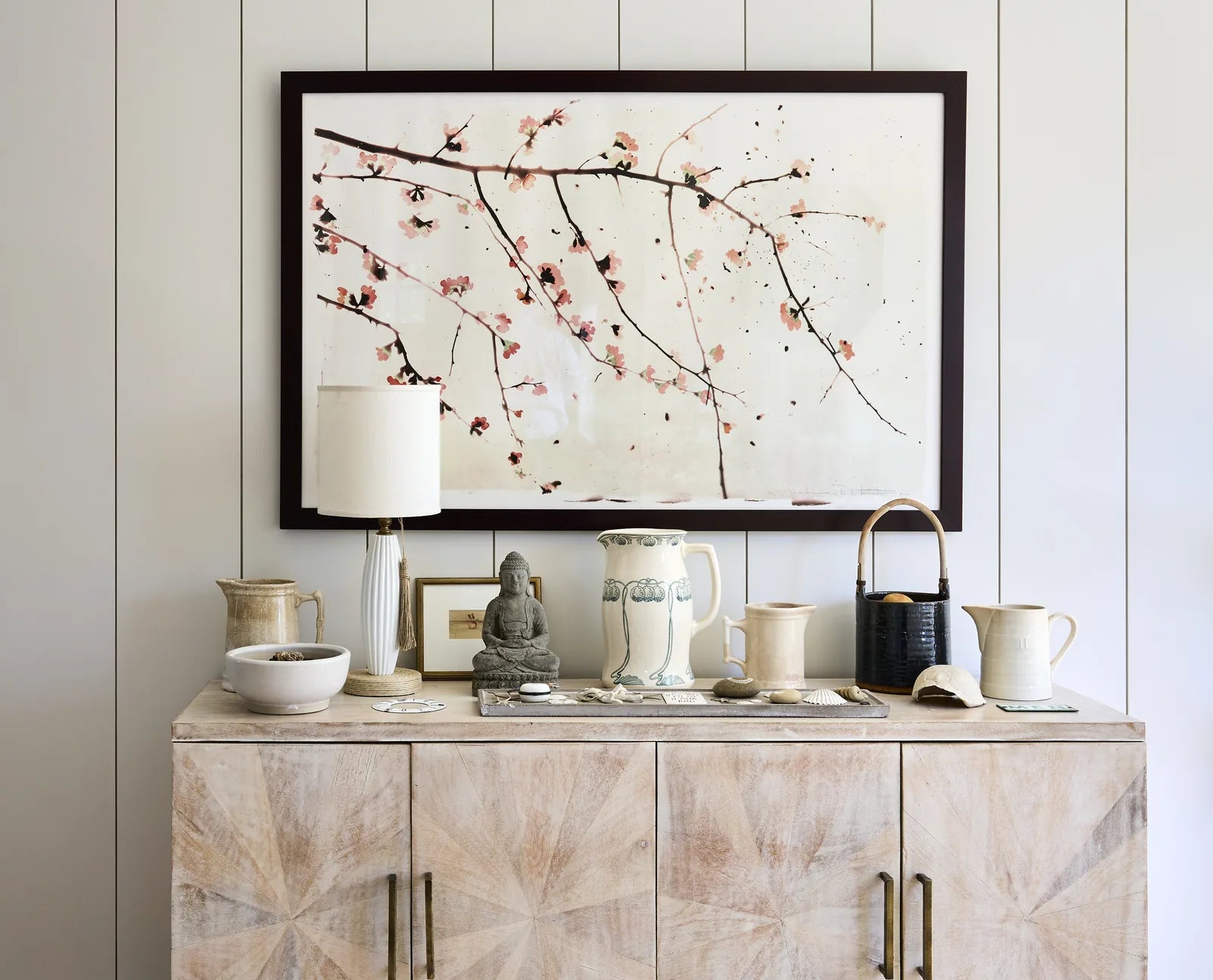
Stephanie Hall has been collecting ironstone for the shop at 51 Main Street for more than three decades. Each piece she selects carries a small mark of its history and use. One especially beloved form is the banded liter pitcher, commonly found on 19th-century tables serving water or milk, or placed beside bedroom basins before indoor plumbing became commonplace. While liter pitchers are marked with an “L,” these vessels were made in many sizes, each pairing beautifully with the next.
Another particularly clever design from the period - and one we still find remarkably elegant - is the ironstone sieve. These pierced plates served multiple purposes as strainers, trivets, and drainage inserts for platters, balancing practicality with beauty in a way that still feels relevant today.
The appeal of these pieces continues to endure, and we are proud to be a resource for collectors and enthusiasts alike. Whether woven into daily rituals or displayed for their quiet beauty, ironstone brings a sense of history, character, and timeless elegance to the modern home.